
 Apparel

 Automotive
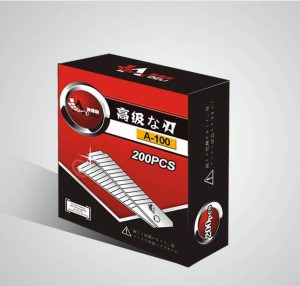
 Bakery & Cake
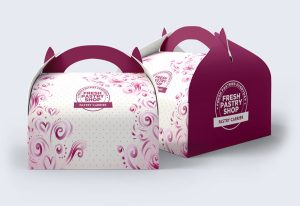
 Beverage

 Beer & Liquor

 Candy & Sweets
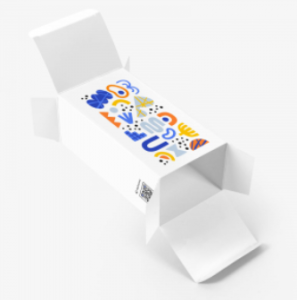
 Candle

 Cannabis

 Chocolate
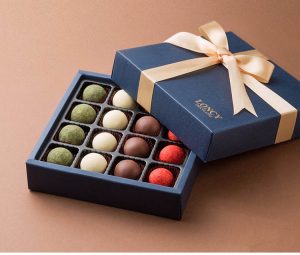
 Cosmetics
 E-commerce

 Electronics
 Food
 Game Packaging
 Gifts
 Jewelry
 Pets
 Pharmaceutical
 Presentation
 Wine

 Soap

 Toys
 Shipping
 Retail

 Restaurant




Starting a small business is exciting, but choosing the right product packaging can quickly become confusing. You want your products to look professional, arrive safely, and create a memorable experience without spending more than your budget allows.
That is where custom packaging for small businesses makes a difference.
Whether you sell handmade candles, cosmetics, clothing, jewelry, or everyday retail products, your packaging is often the first physical interaction customers have with your brand.
A thoughtfully designed box can protect your product, communicate your brand identity, and make even a small startup look established.
However, you do not need expensive luxury boxes or complicated designs to get started. The key is choosing packaging that fits your product, customers, and business goals.
This guide explains how small businesses can plan, design, and order custom packaging without unnecessary complications.
Why Custom Packaging Matters for Small Businesses
Small businesses often compete with established brands that already have strong customer recognition. Packaging offers an opportunity to make your products look distinctive and professional.
Imagine two similar skincare products displayed on a retail shelf. One comes in an ordinary, unmarked carton, while the other features a clean design, recognizable logo, and clear product information.
Even before customers use either product, the packaging influences their expectations.
Custom packaging helps small businesses in several ways:
- Brand recognition: Consistent logos, colors, and typography make products easier to recognize.
- Product protection: Properly sized boxes and inserts help prevent damage.
- Customer experience: Well-designed packaging makes products more enjoyable to receive.
- Product differentiation: Unique packaging helps distinguish similar products.
- Professional presentation: Branded packaging can communicate quality and attention to detail.
The important point is that packaging should support your product rather than overwhelm it.
1. Understand What Your Product Needs
Before choosing colors, printing styles, or box shapes, examine the physical requirements of your product.
A small jewelry business will have different packaging needs from a bakery or an online electronics store.
Start by considering your product’s dimensions, weight, fragility, and storage requirements.
Ask yourself:
- Will the product be shipped or sold in a physical store?
- Does it need cushioning or internal support?
- Could moisture, heat, or pressure affect it?
- Should customers be able to reuse the packaging?
- Does it need special labels or regulatory information?
For example, a handmade candle sold in a glass jar may need a corrugated outer box and a fitted insert. A lightweight soap bar might only require a folding carton or paperboard sleeve.
Understanding the product first makes every other packaging decision easier.
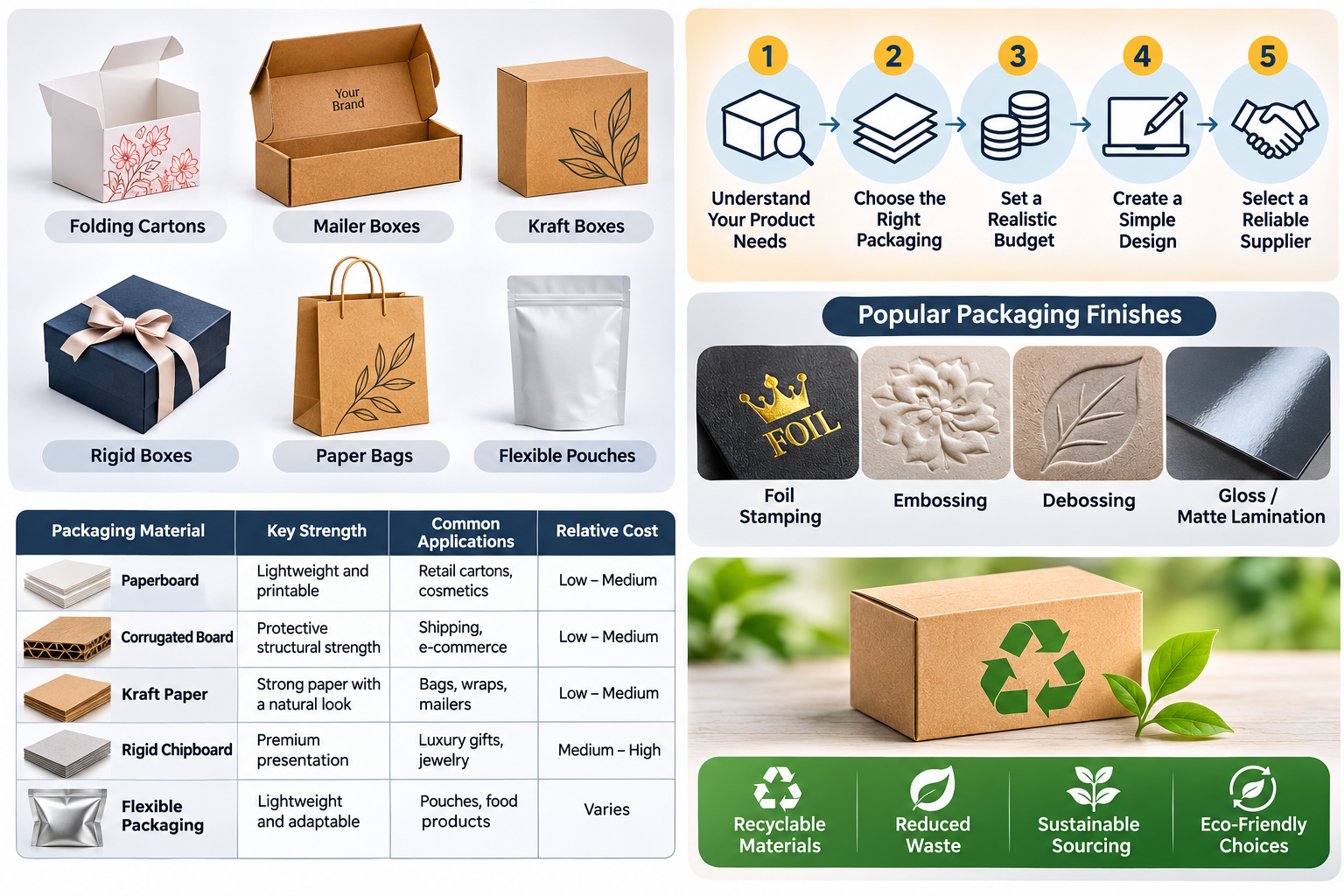
2. Choose the Right Type of Custom Packaging
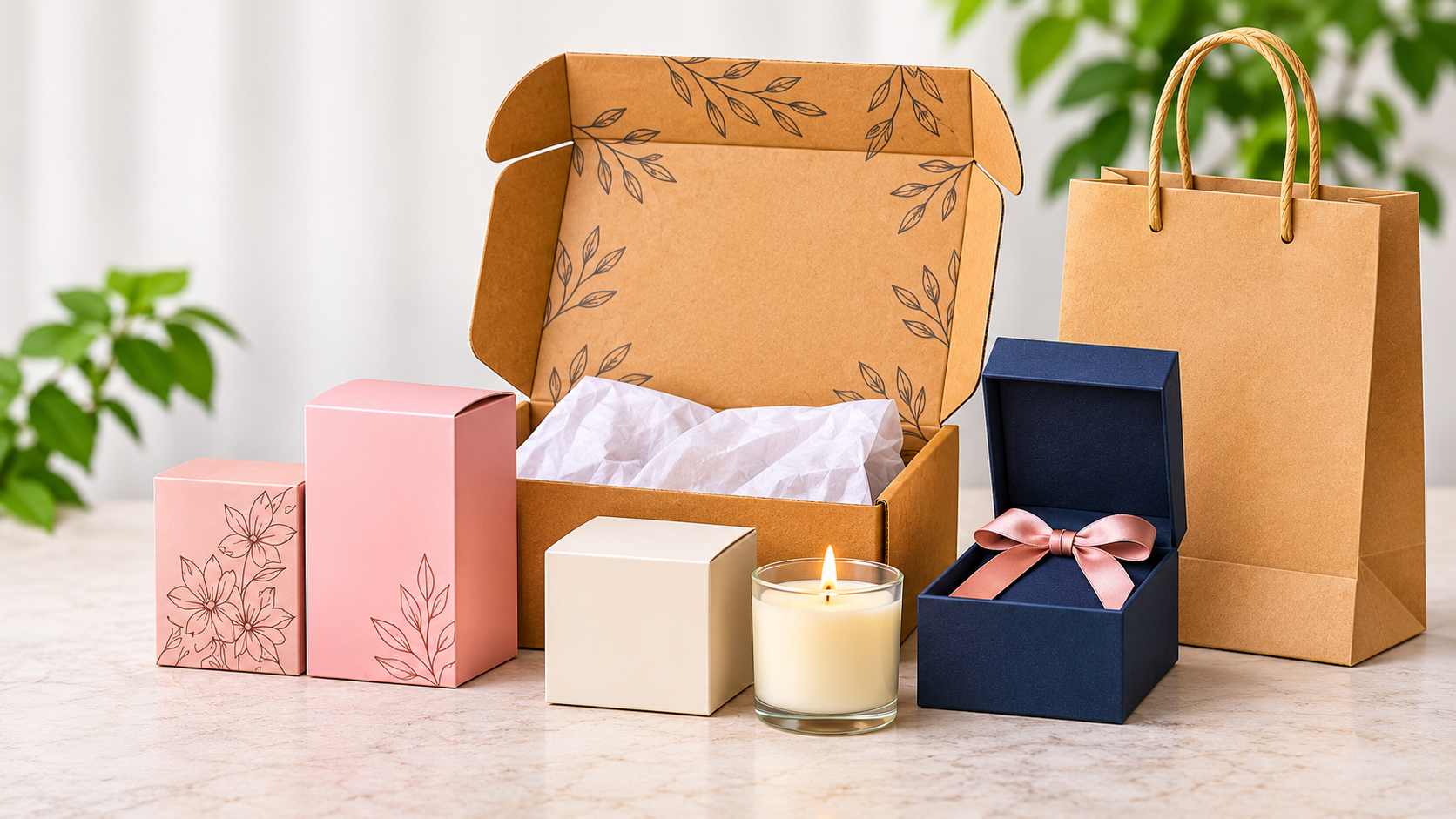
Not all custom boxes serve the same purpose. Some are designed mainly for shipping, while others focus on retail presentation or premium gifting.
Here are common packaging choices for growing businesses.
| Packaging Type | Suitable Products | Main Advantage |
|---|---|---|
| Folding cartons | Cosmetics, soaps, small retail items | Lightweight and printable |
| Corrugated mailer boxes | Online orders, subscription products | Protective and customizable |
| Kraft paper boxes | Handmade products, retail goods | Simple, natural appearance |
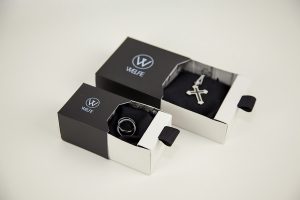
| Rigid boxes | Jewelry, gifts, luxury cosmetics | Premium presentation |
| Paper bags | Apparel, boutiques, retail shopping | Convenient product carrying |
| Flexible pouches | Suitable food and personal care products | Lightweight and space-efficient |
A startup does not always need the most expensive option.
For example, a small clothing brand may achieve an excellent presentation using a simple printed mailer and branded tissue paper rather than a large rigid box.
The best choice depends on how the customer will purchase, receive, and use the product.
3. Set a Realistic Packaging Budget
One of the biggest concerns for startups is cost.
Custom packaging prices vary depending on box dimensions, material thickness, printing, finishing, structural complexity, and order quantity.
Instead of selecting a box based only on its advertised unit price, calculate the total cost of preparing each product for sale.
Your packaging budget may include:
- The outer box or pouch
- Printing and finishing
- Protective inserts
- Labels and tissue paper
- Assembly and storage
- Shipping from the packaging manufacturer
- Expected losses from damaged products
For example, a premium jewelry brand may justify decorative finishes because packaging contributes to its luxury positioning.
A business selling inexpensive everyday accessories may benefit more from simple folding cartons with attractive one- or two-color printing.
A useful approach is to begin with essential packaging features and add decorative upgrades once sales become more predictable.
4. Understand Minimum Order Quantities
When purchasing custom packaging, you may encounter the term minimum order quantity, or MOQ.
MOQ refers to the smallest number of units a supplier will accept for a particular order.
Manufacturers may establish minimum quantities because printing, material preparation, machine setup, and production involve fixed costs.
For example, an order of 100 custom cartons may have a higher unit price than an order of 1,000 cartons, even when the design is identical.
However, ordering more boxes is not always the best decision.
Small businesses should consider inventory space, cash flow, and the possibility of future product changes.
If you are still testing a new product, smaller packaging quantities may provide more flexibility.
Before ordering, ask your supplier whether the MOQ changes based on material, size, printing technique, or box style.
5. Create a Simple and Memorable Packaging Design
An effective packaging design does not need to be complicated.
Some of the most recognizable product boxes use only a few colors, a clear logo, and carefully arranged information.
Start with these essential elements:
Brand logo: Place your logo where customers can easily identify it.
Brand colors: Use a consistent color palette that matches your website and other marketing materials.
Typography: Choose readable fonts and avoid overcrowding the packaging with unnecessary text.
Product information: Include required product details, instructions, warnings, or labeling where applicable.
Packaging layout: Consider how the design appears when the box is closed, opened, and displayed.
For small businesses, consistency is often more valuable than elaborate decoration.
Using the same visual identity across boxes, stickers, shipping materials, and product labels helps create a recognizable brand.
6. Select Printing and Finishing Options Carefully
Printing is one of the most important aspects of branded packaging.
Different printing methods suit different quantities, materials, and design requirements.
Digital printing can be useful for shorter production runs, depending on the supplier and box format.
Offset printing is often selected for larger runs of paperboard packaging where consistent printed detail is important.
Some manufacturers also offer flexographic printing for corrugated packaging and other suitable applications.
Once you select a printing method, consider optional finishes such as:
- Matte or gloss lamination
- Embossing or debossing
- Metallic foil stamping
- Spot UV coating
- Custom die-cut windows
These finishing options can improve presentation, but they may also increase production costs.
For a new business, good-quality printing and a clean layout are often enough to create attractive packaging.
7. Order Packaging Samples Before Bulk Production
One of the most important steps in buying custom packaging is checking a sample before approving a large order.
A digital design may look excellent on a screen, but the finished packaging can reveal problems that were not immediately obvious.
A physical sample allows you to evaluate the box dimensions, folding structure, material thickness, product fit, and overall presentation.
Check whether:
- Your product fits comfortably inside the box.
- The packaging opens and closes correctly.
- Printed text is clear and readable.
- Colors and finishes meet your expectations.
- Inserts prevent unnecessary product movement.
For products shipped to customers, appropriate handling and transportation testing may also be necessary.
According to the International Safe Transit Association (ISTA), packaging performance testing can help evaluate how packaged products withstand distribution environments.
Testing is particularly valuable for businesses selling fragile or high-value products.
8. Consider Sustainable Packaging Options
Small businesses can also consider environmental factors when developing packaging.
Depending on the product, options may include recycled-content paperboard, responsibly sourced paper, recyclable corrugated boxes, and reusable packaging structures.
However, sustainability is not determined by appearance alone.
A brown kraft-style box is not automatically more sustainable than every white or printed alternative.
Material sourcing, coatings, manufacturing requirements, transportation, and disposal methods all influence environmental performance.
The U.S. Environmental Protection Agency emphasizes waste reduction, reuse, recycling, and other material-management approaches.
Small businesses can begin by avoiding oversized boxes, reducing unnecessary packaging components, and selecting materials appropriate for their products.
9. Find a Packaging Supplier That Supports Your Growth
Choosing a packaging supplier is not only about finding the lowest price.
Small businesses benefit from working with manufacturers that can explain material options, provide clear specifications, and help avoid production mistakes.
When comparing suppliers, consider:
- Available box styles and materials
- Minimum order quantities
- Design and artwork support
- Sampling options
- Production timelines
- Printing and finishing capabilities
- International shipping arrangements
- Communication and quality assurance
Ask for a detailed quotation before committing to an order.
Your quotation should clarify the product specifications, quantity, printing, finishing, and delivery arrangements.
A reliable supplier should also provide clear information about the approval process and any requirements before production begins.
10. Prepare Your First Custom Packaging Order
Once you understand your packaging requirements, preparing an order becomes straightforward.
A practical first-order checklist includes:
| Requirement | What to Prepare |
|---|---|
| Product details | Dimensions, weight, and product type |
| Packaging style | Mailer, folding carton, rigid box, or pouch |
| Material | Paperboard, corrugated, kraft, or another suitable material |
| Quantity | Required units and acceptable MOQ |
| Design | Logo, colors, product details, and artwork |
| Printing | Preferred method and finishes |
| Delivery | Destination and required delivery date |
| Sample | Structural prototype or printed proof |
Having these details ready helps the manufacturer understand your requirements and prepare a more accurate quotation.
If you are unsure about materials or structural design, describe the product and its intended use rather than selecting specifications without guidance.
How Al Waraqiyat Packaging Helps Small Businesses Get Started
For startups and growing brands, finding packaging that balances functionality, appearance, and cost can be challenging.
Al Waraqiyat Packaging offers customizable packaging solutions for different industries, including retail, cosmetics, candles, e-commerce, and food-related businesses.
Small businesses can explore options such as custom retail packaging cartons and custom display mailer boxes to identify suitable styles for their products.
Packaging requirements can be discussed before requesting a quotation, helping businesses compare materials, sizes, printing options, and order quantities.
Frequently Asked Questions About Custom Packaging for Small Businesses
Is custom packaging worth it for a small business?
Custom packaging can be valuable when it improves product protection, brand recognition, or customer experience. Its financial value depends on the product, packaging costs, and business goals.
What is the cheapest way to create branded packaging?
A simple stock box combined with custom stickers, labels, or sleeves may be an affordable starting point. Fully printed cartons can become more economical at suitable production quantities.
Can small businesses order custom packaging in low quantities?
Yes, some manufacturers support smaller orders. Minimum quantities depend on the packaging style, material, printing requirements, and production process.
Which packaging is best for an online small business?
Corrugated mailer boxes are popular for e-commerce because they can combine shipping protection with branded presentation. Fragile products may require additional cushioning.
What should be included in a custom packaging design?
The design should include your brand identity, necessary product information, and any labeling required for the product and target market.
How long does custom packaging production take?
Manufacturing times vary by supplier, materials, quantity, and finishing requirements. Production commonly begins after artwork approval, and shipping time should be considered separately.
Should a new business order packaging in bulk?
Bulk ordering may lower unit costs, but it also increases inventory and cash commitments. New businesses should balance potential savings against expected sales and storage capacity.
Final Thoughts
Custom packaging for small businesses does not have to be expensive or complicated.
The smartest approach is to begin with the product’s requirements, select a suitable material and box style, prepare a simple branded design, and compare suppliers before committing to production.
As your business grows, you can explore additional printing techniques, decorative finishes, and more specialized packaging structures.
The goal is not simply to create an attractive box. It is to build packaging that protects your products, represents your brand, and supports sustainable business growth.
Ready to explore custom packaging for your business? Visit the packaging product catalog to compare available styles and request a quotation based on your requirements.