
 Apparel
 Automotive
 Bakery & Cake
 Beverage

 Beer & Liquor

 Candy & Sweets
 Candle
 Cannabis

 Chocolate
 Cosmetics
 E-commerce
 Electronics
 Food
 Game Packaging
 Gifts
 Jewelry
 Pets
 Pharmaceutical
 Presentation
 Wine

 Soap

 Toys
 Shipping
 Retail

 Restaurant




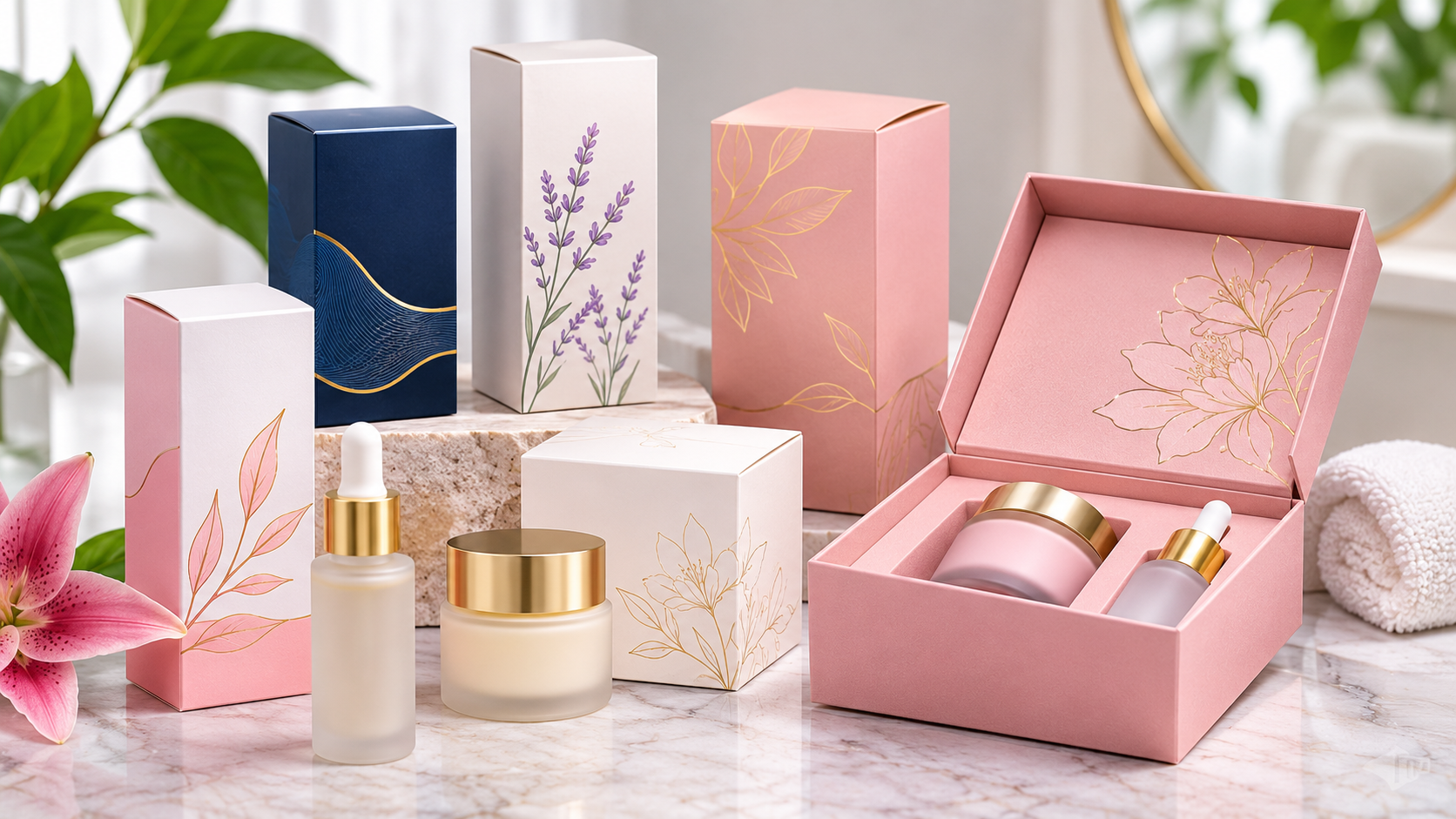
Cosmetic packaging design plays a major role in how customers discover, evaluate, and experience beauty products. In a competitive cosmetics market, packaging is more than a protective box. It communicates brand identity, supports product presentation, and influences the first impression customers form about a product.
Whether a business sells skincare creams, makeup, hair care products, perfumes, or beauty accessories, attractive and functional packaging can help distinguish its products from competitors.
For cosmetic manufacturers and growing beauty brands, investing in custom cosmetic packaging can also support product protection, consistent branding, and customer satisfaction.
But what makes cosmetic packaging effective, and why should beauty businesses prioritize its design?
This guide explores the importance of cosmetic packaging design, essential materials, branding techniques, and practical considerations for businesses ordering custom cosmetic boxes.
1. Cosmetic Packaging Design Creates a Powerful First Impression
First impressions matter in the beauty industry. Customers browsing retail shelves or online product listings often encounter packaging before they experience the product itself.
A carefully designed cosmetic box can communicate professionalism, quality, and brand personality within seconds.
For example, minimalist white packaging with clean typography may suit a modern skincare brand. Alternatively, deep colors, textured finishes, and metallic details can create a premium appearance for luxury cosmetics.
Effective packaging design typically combines:
- Attractive color combinations
- Clear and readable typography
- Consistent brand logos
- Suitable box shapes and dimensions
- High-quality printing and finishing
A professional appearance does not guarantee product quality, but it helps establish the expectations customers associate with a brand.
For new cosmetic businesses, this visual presentation can be particularly valuable when entering a crowded marketplace.
2. Custom Cosmetic Packaging Strengthens Brand Recognition
Brand recognition is essential for beauty businesses seeking repeat customers.
When cosmetic products share consistent packaging elements, customers can identify them more easily across retail displays, online stores, and social media.
A recognizable packaging identity often includes consistent colors, logos, typography, graphics, and finishing styles.
For instance, a skincare manufacturer selling facial cleansers, moisturizers, and serums might use a coordinated packaging design across its entire product collection.
This approach creates a unified appearance while allowing individual products to remain distinguishable.
How packaging supports brand identity
Consistent colors: Establish visual familiarity across different cosmetic products.
Brand logos: Make it easier for customers to recognize the manufacturer.
Distinctive box structures: Help differentiate product collections and premium editions.
Professional printing: Maintains a consistent appearance across packaging orders.
Custom printed cosmetic boxes allow businesses to integrate these elements into packaging designed specifically for their products.
3. Cosmetic Packaging Protects Delicate Beauty Products
Although visual appeal is important, product protection remains a fundamental packaging requirement.
Many cosmetics are stored in glass jars, bottles, tubes, and other containers that can become damaged during handling or transportation.
Proper packaging can help reduce movement, minimize impact damage, and support safer product delivery.
Common protective options include:
- Folding cartons made from suitable paperboard
- Corrugated outer shipping boxes
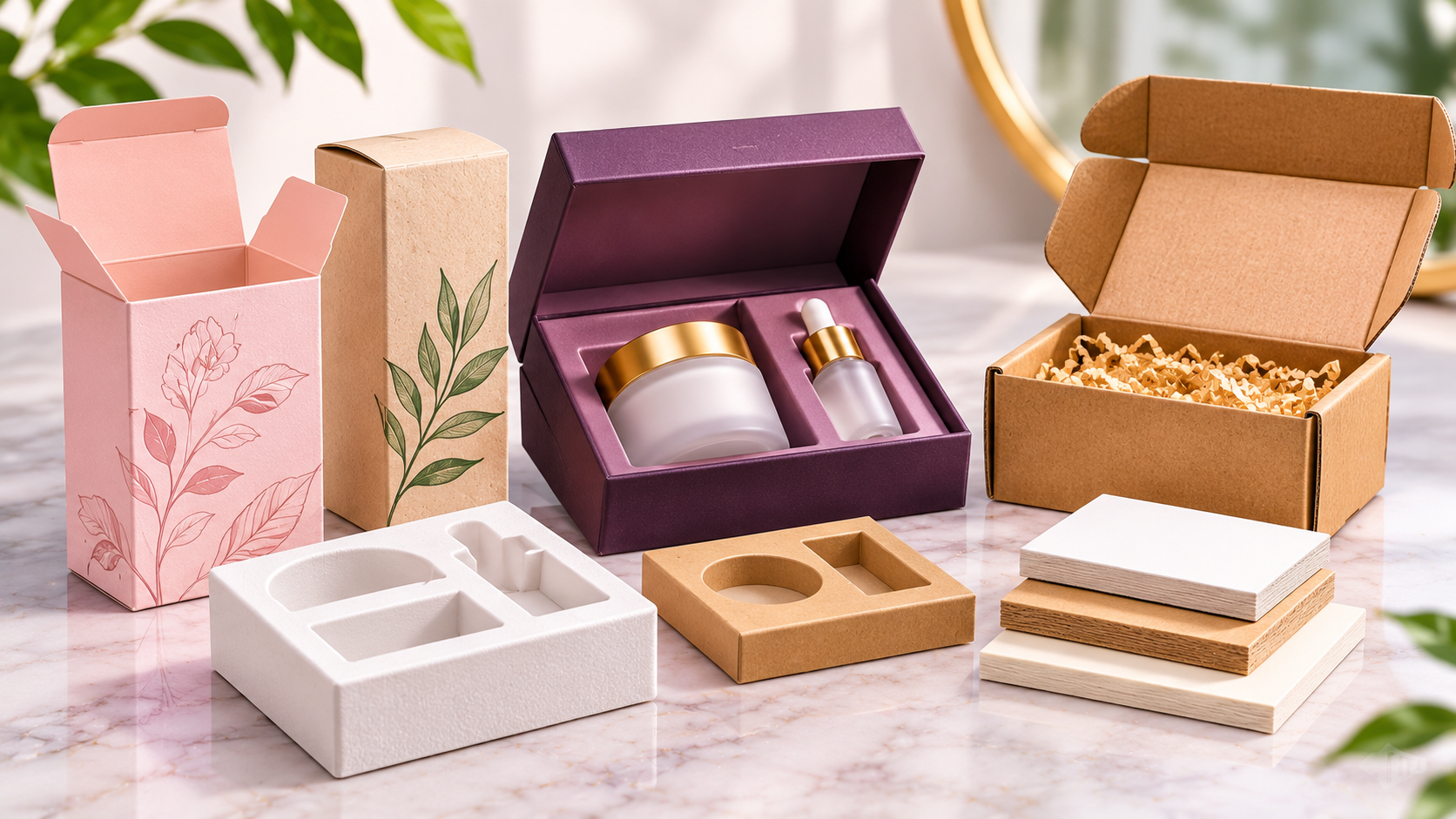
- Custom cardboard inserts
- Molded protective supports
- Secure closures and fitted packaging compartments
For example, a glass moisturizer jar may require a fitted carton with an internal insert to prevent movement.
Similarly, a collection of skincare serums may need individual compartments within a gift box.
The packaging structure should be selected according to product weight, fragility, dimensions, and distribution requirements.
4. Packaging Design Communicates Product Quality and Value
Customers often associate packaging appearance with a product’s positioning.
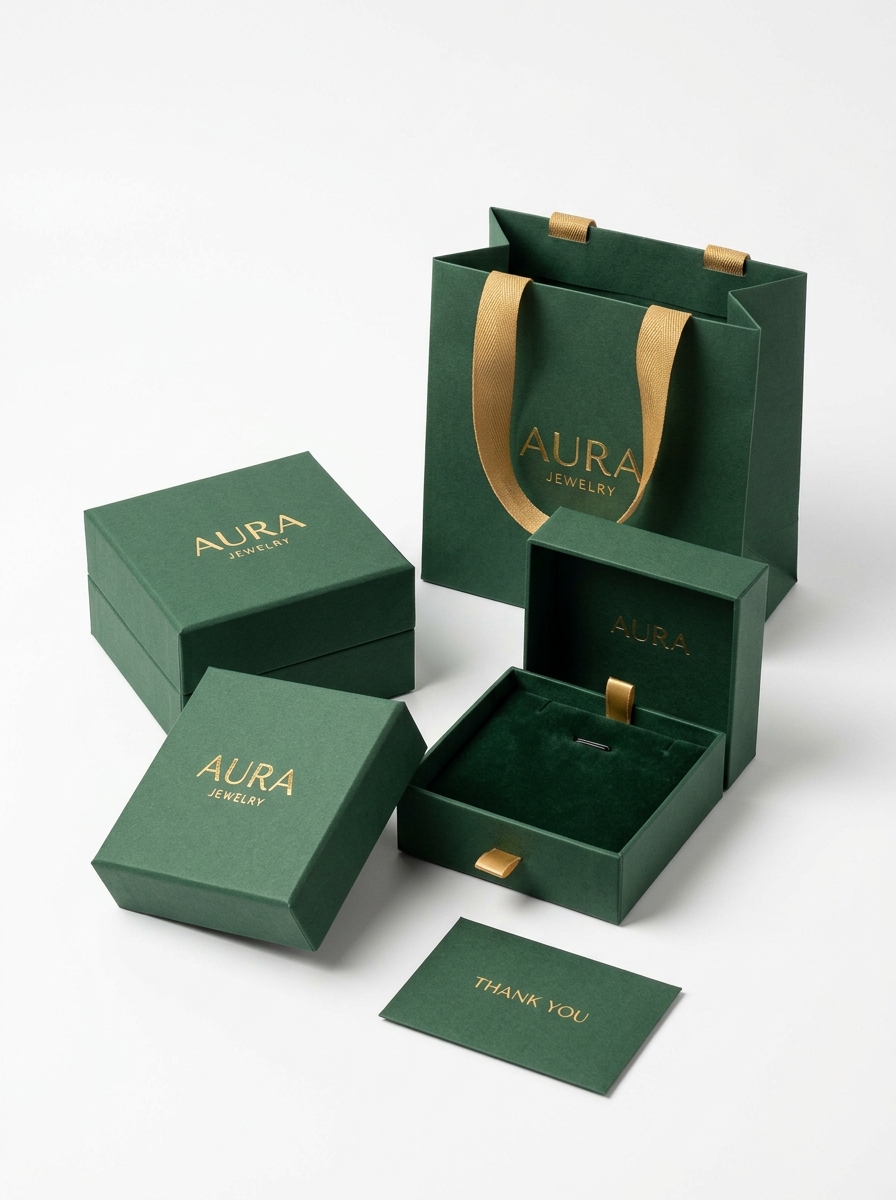
Luxury cosmetic brands may choose rigid boxes, specialty paper, foil stamping, or embossed logos to create a premium presentation.
More affordable beauty brands may prefer simple folding cartons with colorful graphics and high-quality printing.
Neither approach is universally better. The most suitable design depends on the product, brand identity, target audience, and pricing strategy.
Popular cosmetic packaging finishes
| Packaging Finish | Visual Effect | Suitable Application |
|---|---|---|
| Matte lamination | Smooth, understated appearance | Minimalist skincare packaging |
| Gloss lamination | Reflective, vibrant surface | Colorful cosmetic collections |
| Foil stamping | Metallic decorative accents | Luxury beauty products |
| Embossing | Raised design elements | Premium logos and branding |
| Debossing | Recessed surface details | Elegant cosmetic boxes |
| Spot UV | Selective glossy highlights | Product names and decorative graphics |
Decorative finishes should complement the brand rather than make the packaging unnecessarily complicated.
For B2B buyers, balancing visual presentation with production cost is particularly important when ordering large quantities.
5. Cosmetic Packaging Design Improves Customer Experience
Packaging plays an important role throughout the customer journey.
A cosmetic product should be easy to identify, open, store, and use. If the outer packaging is difficult to handle or fails to protect the contents, the customer experience may suffer.
Thoughtful cosmetic box design can improve usability through:
- Easy-opening closures
- Properly fitted internal compartments
- Clear product instructions
- Convenient product accessibility
- Attractive internal presentation
For e-commerce beauty brands, the unboxing experience is especially important because customers often encounter the physical packaging only after receiving their delivery.
A well-organized package can make the arrival of a beauty product feel more intentional and memorable.
6. Sustainable Cosmetic Packaging Supports Responsible Branding
Sustainability is another consideration in modern beauty packaging.
Businesses may explore recycled-content paperboard, responsibly sourced paper, reusable rigid boxes, and reduced packaging components.
However, environmentally responsible packaging requires more than choosing a natural-looking material.
The environmental performance of packaging depends on factors such as sourcing, material weight, coatings, manufacturing, reuse, and disposal infrastructure.
The Forest Stewardship Council (FSC) provides information about responsible sourcing and certification for paper-based packaging materials.
Practical sustainable packaging considerations
Beauty businesses can evaluate whether they can:
- Reduce oversized boxes and unnecessary empty space.
- Select responsibly sourced paperboard.
- Avoid excessive packaging layers.
- Use recyclable materials where appropriate.
- Create reusable packaging for suitable premium products.
Businesses should verify material specifications and certification claims before advertising packaging as sustainable or environmentally friendly.
7. Cosmetic Packaging Must Communicate Important Product Information
Effective cosmetic packaging is not only decorative. It also provides space for information customers need before purchasing or using a product.
Depending on the product and destination market, packaging may need to display the product identity, net quantity, ingredient information, manufacturer or distributor details, warnings, and directions.
For cosmetics marketed in the United States, the U.S. Food and Drug Administration’s Cosmetics Labeling Guide explains applicable federal labeling requirements.
Other markets, including the UK, European Union, and UAE, have their own regulatory frameworks and labeling requirements.
International cosmetic brands should review the requirements of each target market before finalizing their printed artwork.
Why packaging layout matters
Required product information should remain readable without interfering with the overall design.
A good layout separates decorative elements from practical details and uses appropriate typography, contrast, and spacing.
This is especially important when manufacturers produce compact cartons for small cosmetic products.
8. Choosing the Right Materials for Cosmetic Packaging Boxes
Different cosmetic products require different materials and packaging structures.
Paperboard folding cartons are widely used for lightweight beauty products because they are printable and can be produced in many shapes.
Rigid chipboard boxes are suitable for premium cosmetic gift sets and higher-end product collections.
Corrugated packaging is commonly used as an outer shipping layer to protect cosmetics during distribution.
| Cosmetic Product | Suggested Packaging | Main Benefit |
|---|---|---|
| Facial creams | Folding cartons with suitable inserts | Presentation and product fit |
| Skincare serums | Paperboard cartons with protective support | Bottle protection |
| Makeup palettes | Rigid or reinforced cartons | Product presentation |
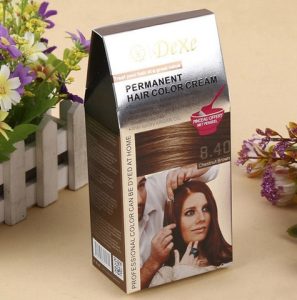
| Hair dye products | Printed folding cartons | Branding and information space |
| Luxury perfume sets | Rigid boxes with custom inserts | Premium presentation |
| Online beauty orders | Corrugated shipping boxes | Transportation protection |
The final choice should consider product dimensions, material grades, printing requirements, and expected handling conditions.
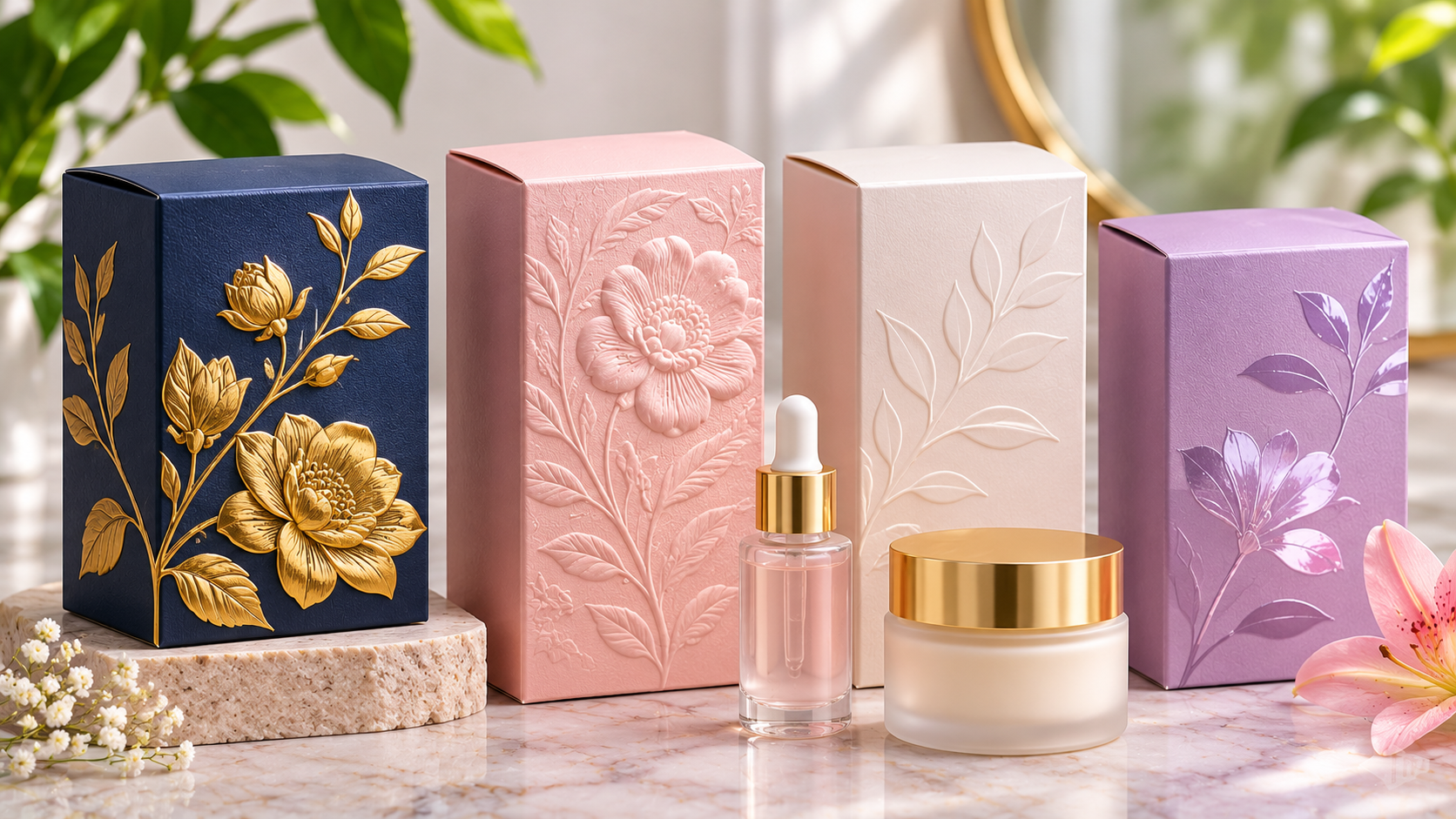
9. Custom Cosmetic Packaging Helps Brands Stand Out in Competitive Markets
Beauty brands frequently compete with products offering similar features, ingredients, or price points.
Custom packaging provides an opportunity to develop a distinctive visual identity.
A brand might select a unique box shape, signature color combination, textured finish, or minimalist design that customers recognize.
For online cosmetic businesses, visually appealing packaging can also improve the presentation of product photography and promotional materials.
However, differentiation should not compromise usability or increase costs without a clear business benefit.
Successful cosmetic packaging balances creativity with practical requirements.
10. How to Choose a Custom Cosmetic Packaging Manufacturer
Selecting the right packaging manufacturer is an important business decision, particularly for cosmetic companies placing repeat or bulk orders.
Before choosing a supplier, consider its ability to provide suitable materials, accurate dimensions, consistent printing, and appropriate packaging structures.
Important factors include:
- Available cosmetic box styles
- Material and board thickness options
- Printing and decorative finishing capabilities
- Custom insert options
- Packaging samples and prototypes
- Minimum order quantities
- Quality control procedures
- Production and international delivery requirements
Packaging buyers should request quotations based on clear specifications rather than comparing prices without considering materials or finishes.
Reviewing a physical sample before approving bulk production can help identify design, printing, or structural issues.
Custom Cosmetic Packaging Solutions from Al Waraqiyat Packaging
For cosmetic manufacturers, skincare companies, and beauty startups, working with a packaging supplier can simplify the process of selecting suitable box styles and materials.
Al Waraqiyat Packaging offers customizable packaging solutions for various beauty and personal care products.
Businesses can explore options such as moisturizer cream packaging boxes for skincare products and hair dye packaging boxes for beauty and hair care brands.
When requesting custom packaging, businesses should provide product dimensions, required quantities, material preferences, printing details, and any special design requirements.
Clear specifications make it easier to evaluate suitable packaging solutions and prepare a quotation.
Frequently Asked Questions About Cosmetic Packaging Design
Why is cosmetic packaging design important?
Cosmetic packaging design helps protect beauty products, communicate brand identity, provide essential information, and create a positive first impression. Effective packaging also supports product presentation and customer experience.
What is the best material for cosmetic packaging boxes?
Paperboard is commonly used for lightweight cosmetic cartons, while rigid chipboard is suitable for premium gift packaging. Fragile products may require protective inserts and corrugated shipping boxes.
How does packaging design influence cosmetic branding?
Consistent colors, logos, typography, and box styles help customers recognize a beauty brand. Attractive packaging can also reinforce the product’s intended market positioning.
What are the latest design approaches for cosmetic packaging?
Common approaches include minimalist layouts, textured paperboard, metallic accents, coordinated product collections, and reduced-material packaging. The right approach depends on brand identity and product requirements.
Is custom cosmetic packaging expensive?
Costs depend on materials, dimensions, printing, finishing, quantity, and structural design. Simple folding cartons may be more economical than premium rigid boxes with decorative finishes.
What information should appear on cosmetic packaging?
Requirements vary by product and market. Common information includes product identity, net quantity, ingredients, manufacturer details, usage instructions, and applicable warnings.
Can cosmetic packaging be environmentally responsible?
Yes. Businesses can consider responsibly sourced paperboard, recycled-content materials, reduced packaging layers, and reusable designs. Environmental claims should be supported by the actual material specifications.
How can cosmetic brands order custom packaging in bulk?
Brands should prepare product dimensions, box style, materials, artwork, printing requirements, and order quantities. Requesting samples and checking specifications before production can help prevent ordering mistakes.
Final Thoughts
Cosmetic packaging design matters because it connects product protection, brand identity, customer experience, and practical business requirements.
An attractive cosmetic box can create a memorable first impression, but successful packaging must also protect the product, communicate essential information, and support efficient manufacturing and distribution.
For beauty startups and established cosmetic manufacturers, investing in thoughtfully designed custom packaging can strengthen product presentation and improve brand consistency.
Ready to improve your beauty product packaging? Explore custom cosmetic packaging options and request a quotation based on your products, branding requirements, and order quantity.