
 Apparel

 Automotive
 Bakery & Cake
 Beverage

 Beer & Liquor

 Candy & Sweets
 Candle

 Cannabis

 Chocolate

 Cosmetics
 E-commerce

 Electronics
 Food

 Game Packaging
 Gifts
 Jewelry

 Pets
 Pharmaceutical
 Presentation
 Wine

 Soap

 Toys
 Shipping
 Retail

 Restaurant





How Custom Packaging for Ecommerce Creates a Better Unboxing Experience
When customers order products online, packaging is often the first physical interaction they have with a business. Custom packaging for ecommerce can protect products during delivery, present a brand professionally, and make receiving an order more enjoyable. A well-planned package also helps customers understand the care and attention behind their purchase.
From printed shipping boxes to protective inserts and branded tissue paper, different packaging elements can improve the customer experience. The right choice depends on the product, delivery requirements, budget, and brand identity.
1. Protect Products During Shipping
Product protection should be the first priority when choosing packaging. Products can move, rub against other items, or experience pressure during transportation. Suitable packaging helps reduce the risk of damage before an order reaches the customer.
Choose a box that provides enough room for the product and any necessary protective material. Corrugated cardboard can be suitable for many shipping applications, while fitted inserts can help keep fragile or delicate items in position.
Consider these points before selecting a package:
- Measure the product accurately, including any accessories.
- Choose a box that fits without leaving excessive empty space.
- Use suitable cushioning for fragile or breakable items.
- Check that closures remain secure during normal handling.
- Test packaging with representative products before ordering in bulk.
The best packaging depends on the product’s weight, shape, fragility, and shipping conditions. Testing helps identify problems before a large order is placed.
2. Build a Consistent Brand Identity
Packaging is an opportunity to make a business recognizable. Consistent colors, logos, typography, and printed designs help customers connect the delivered product with the brand they ordered from.
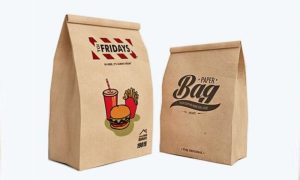
Custom packaging for ecommerce can include printed shipping boxes, branded paper bags, product cartons, stickers, and tissue paper. Businesses do not need to print every surface to create a professional appearance. A clear logo and a consistent design can be enough to establish a recognizable look.
Before finalizing a design, consider the following:
- Use colors that match your existing brand identity.
- Keep logos and important text clear and readable.
- Select printing methods that suit the material and order quantity.
- Check the artwork and dimensions before approving production.
- Request a sample when the design or printing requirements are complex.
A consistent presentation helps make packaging feel like part of the product rather than just a container for delivery.
3. Create a Memorable Unboxing Experience
Opening a parcel can be a positive part of the online shopping experience. Neat presentation, easy-to-open packaging, and carefully arranged products can make an order feel thoughtful without making it unnecessarily complicated.
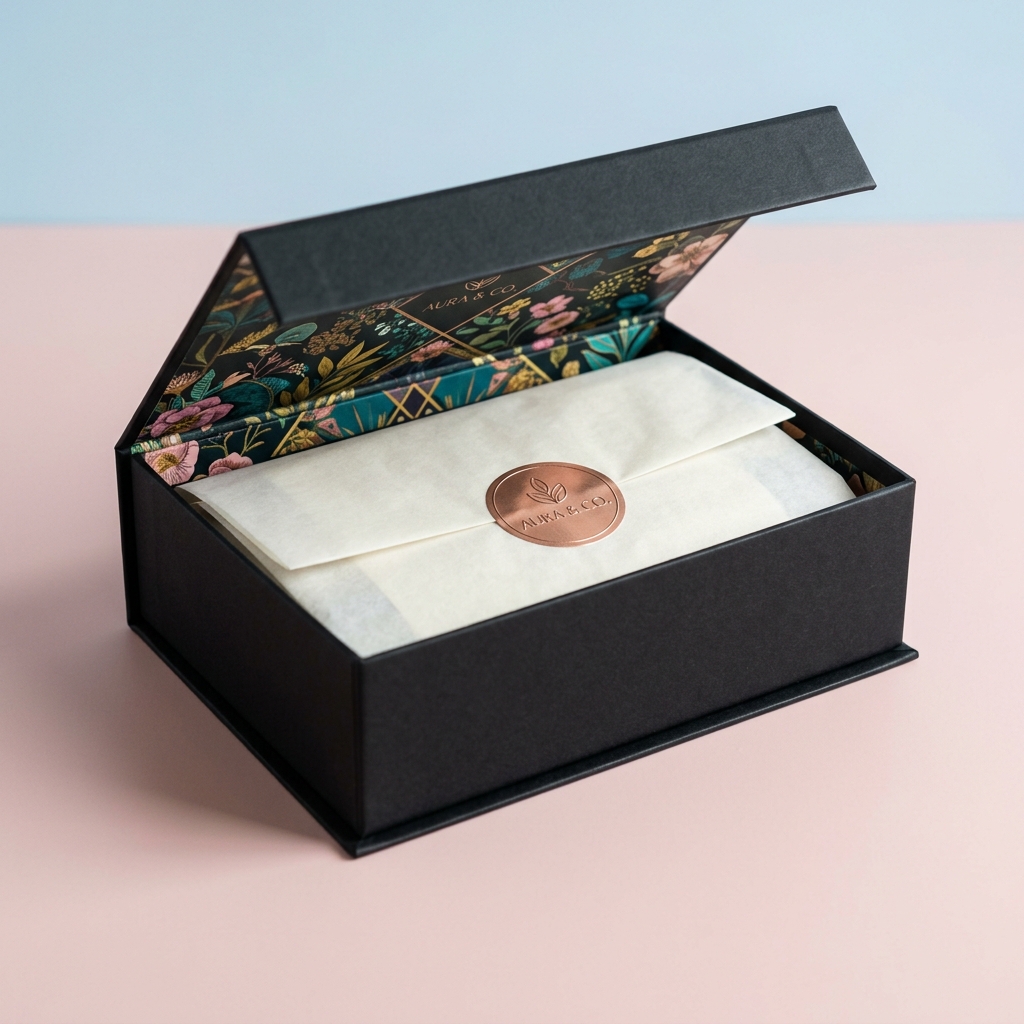
For example, a product box may include a printed insert, a simple thank-you card, or tissue paper that keeps items neatly arranged. These details should suit the product and the expectations of the customer.
Avoid excessive layers that make packaging difficult to open. Too much tape, unnecessary fillers, and oversized boxes can frustrate customers and create additional waste.
A good unboxing experience should balance presentation, convenience, product protection, and practical packaging costs.
4. Choose the Right Packaging Materials
Different products need different packaging materials. The choice should reflect the product’s weight, shape, storage requirements, and delivery conditions.
Corrugated cardboard is commonly used for shipping boxes because its structure can provide cushioning and strength. Folding cartons can work well for retail products that need a neat presentation. Paper-based fillers and fitted inserts can help keep products organized inside a package.
When comparing materials, consider:
- Strength: Can the package support the product during handling?
- Fit: Does it hold the product securely?
- Weight: Will the packaging add unnecessary shipping weight?
- Printing: Can the material deliver the appearance you want?
- Sustainability: Can you reduce excess material or choose an appropriate recyclable option?
Always check the suitability of a material for its intended use. Food, cosmetics, and other sensitive products may require specific packaging properties or compliance with applicable regulations. Learn more about recycling options and waste reduction from the US Environmental Protection Agency.
5. Manage Packaging Costs and Order Quantities
Packaging costs include more than the price of an individual box. Printing setup, material selection, protective inserts, storage, shipping weight, and minimum order quantities can all affect the total cost.
Before requesting a quote, prepare accurate product dimensions and estimated order quantities. Decide which design elements are essential and which can be simplified to meet your budget.
Requesting samples can help you assess fit, print quality, durability, and appearance before committing to a large production run. Compare quotations using the same specifications so that the materials, dimensions, printing, and included components are clear.
A package that fits the product properly can also help avoid unnecessary material use. However, it must still provide adequate protection throughout the delivery process. Custom packaging for ecommerce should balance product protection, brand presentation, and the total cost of packaging.
6. Add Useful Details to the Package
Small details can make an order easier to receive and use. Depending on the product, packaging may include assembly instructions, care information, a return information card, or a simple thank-you message.
Keep these additions relevant to the customer’s needs. Important instructions should be easy to read, and any claims about the product should be accurate.
For ecommerce businesses, custom inserts can also help separate multiple items inside one package. This is especially useful when products have different shapes or need to remain organized during transit.
Before printing cards or inserts, proofread the text and verify that the information is current. Check dimensions and placement to ensure that the additional material fits properly inside the package.
7. Test Packaging Before Placing a Large Order
A sample review can help prevent costly mistakes. Examine the package with the actual product rather than relying only on a digital design or product mockup.
Check whether the product fits correctly, the closure works as expected, the printed design is clear, and the protective materials remain in place. Where appropriate, conduct suitable handling and transit tests to identify weaknesses.
Review the final artwork, measurements, material specifications, and quantity before approving production. If a design is intended for several products, verify that it fits each product safely and consistently.
Testing is particularly valuable when introducing a new package, changing materials, or ordering custom printed packaging for the first time.
What to Consider Before Choosing Ecommerce Packaging
The right packaging should meet practical needs while presenting the product clearly. Start with product protection, then consider brand design, material options, order quantities, and the customer’s experience when opening the parcel.
A simple, well-fitted package can be more effective than an elaborate design that increases costs or creates unnecessary waste. By reviewing specifications, comparing suitable materials, and testing samples, businesses can make more informed packaging decisions.